
For years, the story of the Bali property market was simple: build small, build fast, rent nightly, repeat. One-bedroom and two-bedroom villas multiplied across the island, each promising “tropical luxury” at an accessible price point. Investors loved the entry cost. Developers loved the velocity. Influencers loved the floating breakfasts.
But the market has evolved.
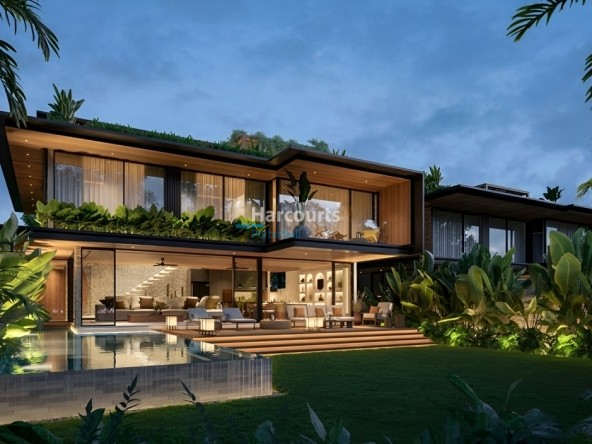
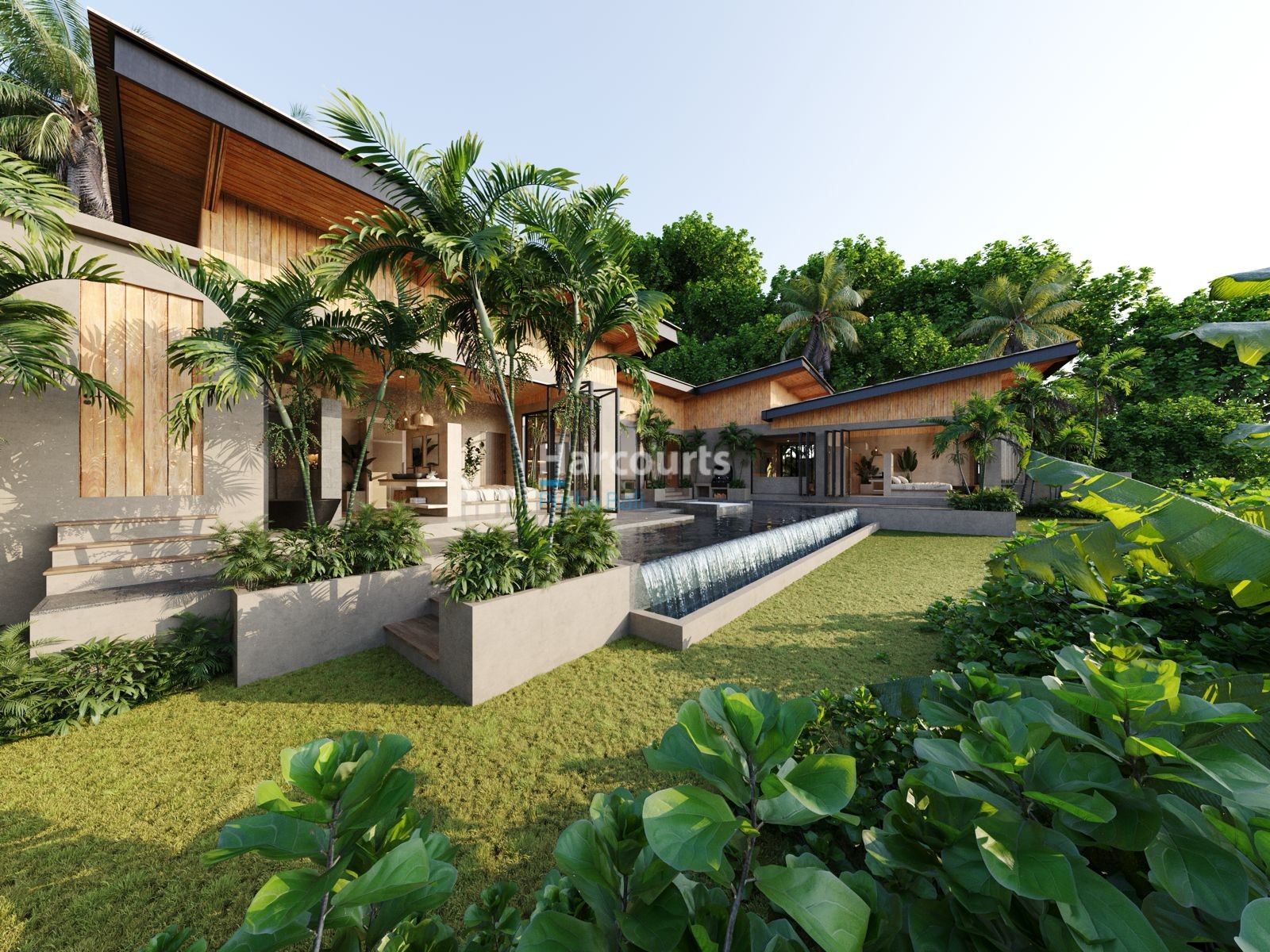
Today, Bali is stepping into a new chapter. The dominance of low-budget 1- and 2-bedroom rentals is fading. In its place, we’re seeing a decisive return to larger, luxury villas designed for real families — properties that prioritize livability, longevity, and quality over quick turnover and minimal build costs.
And the geography of that shift tells an even more interesting story.
The Slow Sunset of the Tiny Rental Boom
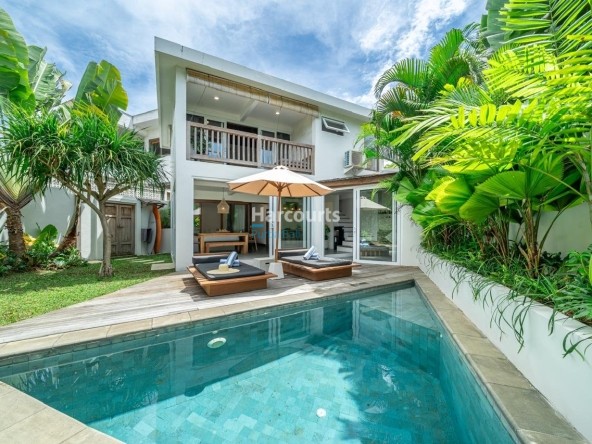
The explosion of compact villas in areas like Canggu was once a masterclass in yield optimization. Developers carved land into ever-smaller plots, designed photogenic spaces with open-plan living and a plunge pool, and flooded short-term rental platforms with inventory.
At first, it worked.
But saturation has consequences. As supply ballooned, uniqueness evaporated. Price competition intensified. Occupancy patterns became more volatile. Investors who once relied on high nightly rates began noticing compression — especially in the one- and two-bedroom category.
At the same time, Bali’s demographic began to shift.
Digital nomads became entrepreneurs with teams. Couples became families with children. Short stays turned into six-month relocations. International schools expanded. Remote work normalized permanent flexibility.
The question quietly changed from “What’s the nightly rate?” to “Can we actually live here?”
And that’s where the tiny villa model started to feel limiting.
Families Are Driving the Next Cycle
Luxury in Bali today isn’t about gold taps and oversized chandeliers. It’s about functionality.
Families want:
- Enclosed living areas with reliable air conditioning
- Full-sized kitchens with real storage
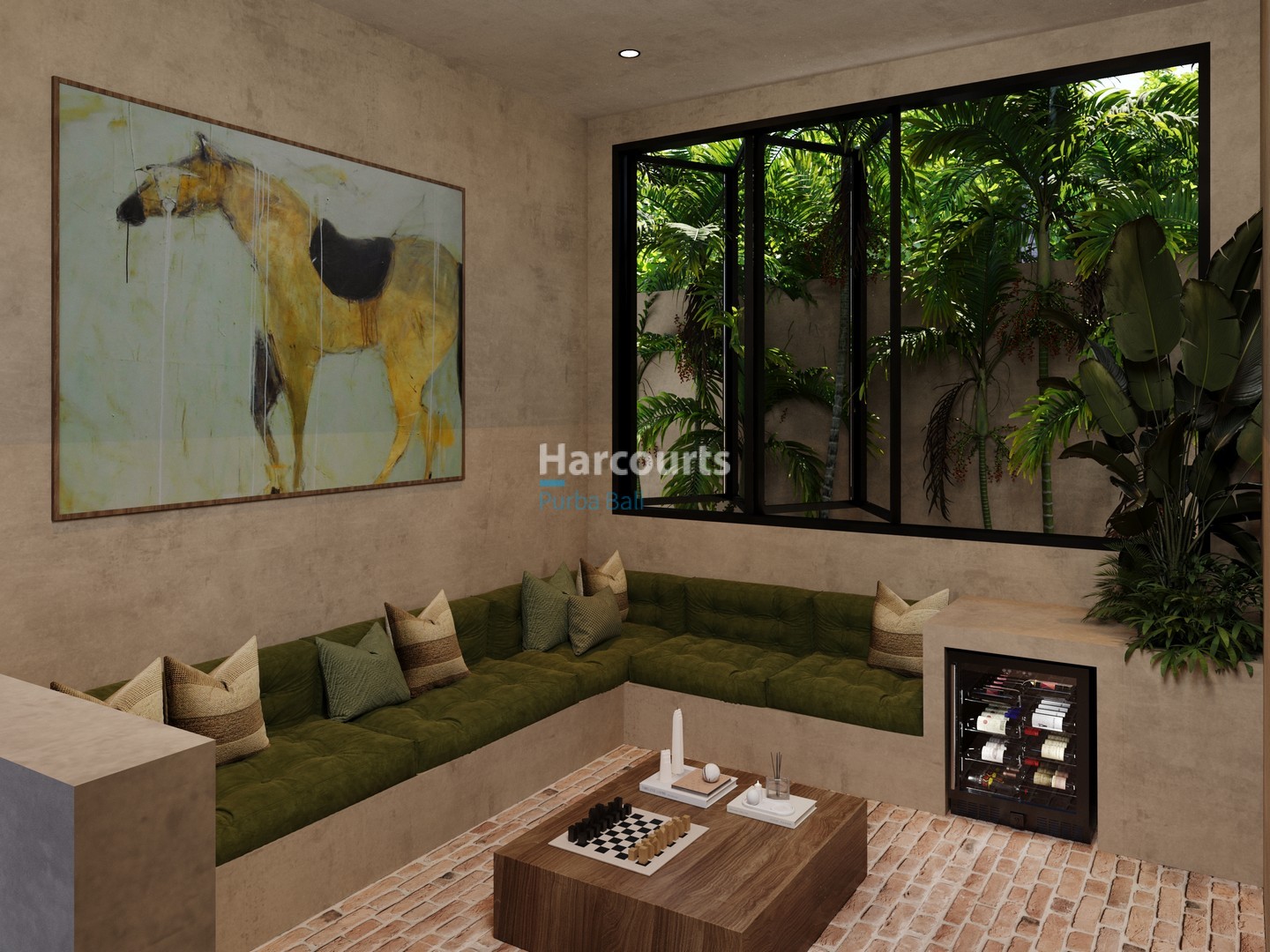
- Separate media rooms and home offices
- Additional storage spaces and laundry rooms
- Gardens large enough for children to run
- Privacy from neighboring builds
- Secure parking and good road access
A one-bedroom cube with a photogenic sunken lounge doesn’t support a family of five, visiting grandparents, and two remote-working parents running Zoom calls simultaneously.
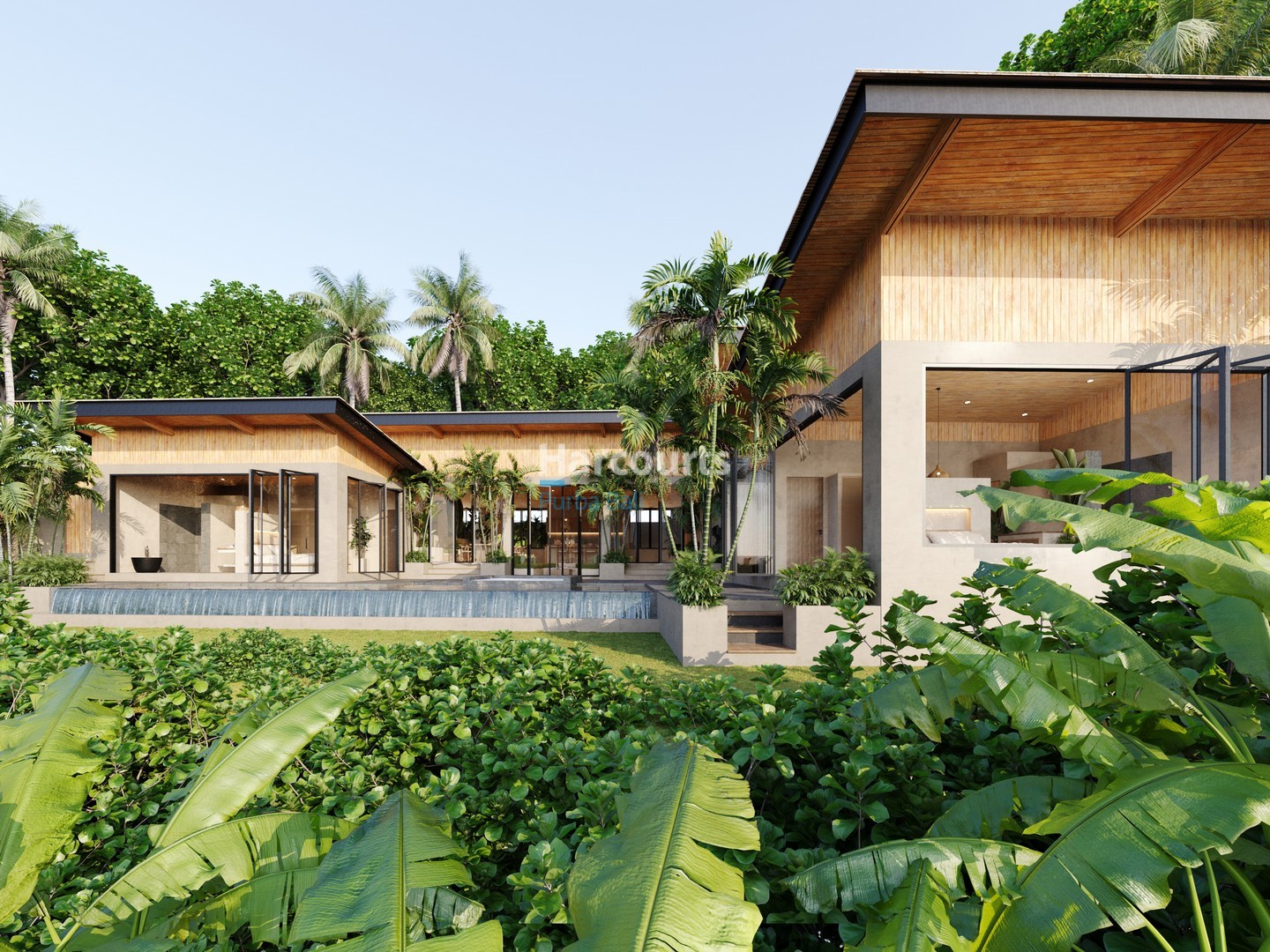
Developers paying attention are shifting focus back to 3-, 4-, and 5-bedroom villas on larger plots. These properties command stronger long-term rental appeal, attract premium guests, and give owners flexibility — part investment, part home base.
The emphasis is moving from density to design.
The Big Island vs. The Bukit
To understand where the momentum is heading, you have to look at the island in two parts: the established western corridor — what many consider Bali’s “big island” energy — and the Bukit Peninsula.
The Bukit, home to hotspots like Uluwatu and Bingin, is undeniably magnetic. Clifftop sunsets. Surf culture. Boutique cafes. A raw, dramatic landscape that feels cinematic.
It’s bold. It’s exciting. It’s still growing into itself.
Infrastructure on the Bukit continues to improve, but development has often outpaced roads and utilities. Narrow access lanes, water logistics, and traffic bottlenecks remain part of the daily reality. It’s a place of potential — enormous potential — but also growing pains.
In contrast, the western coastal corridor stretching north from Ngurah Rai International Airport through Seminyak, Umalas and the villages surrounding Canggu, all the way up to Tanah Lot operates with a different rhythm.
This is Bali’s big island energy.
The roads are established. The supermarket chains are established. The international schools, medical clinics, fitness centers, beach clubs, and dining infrastructure are deeply embedded. Rental history spans multiple market cycles. Buyers can analyze years of comparable data.
For families, this predictability matters.
You can land at the airport and be home within an hour. School runs are manageable. Staff availability is high. Guests can find you without GPS heroics.
The Bukit offers drama and upside. The western corridor offers stability and scalability.
And right now, serious family-focused development is leaning toward stability.
Why Larger Luxury Villas Are Back
Three structural forces are driving this pivot.
- Oversupply in Small Units
There are simply too many one- and two-bedroom rentals competing in the same price bracket. When inventory surges, differentiation disappears. Larger, thoughtfully designed villas face far less direct competition and maintain pricing power.
- Long-Stay Demand
Families relocating for months — or even years — are now a meaningful market segment. They prioritize comfort, security, and space. A five-bedroom enclosed villa with a garden becomes far more attractive than a compact open-plan rental designed for weekend stays.
- Hybrid Ownership Mindset
Today’s buyers aren’t purely chasing yield. They want lifestyle assets. A villa that generates income but can also serve as a personal residence, retirement base, or generational property.
That inherently favors quality over quantity.
The Evolution of Design
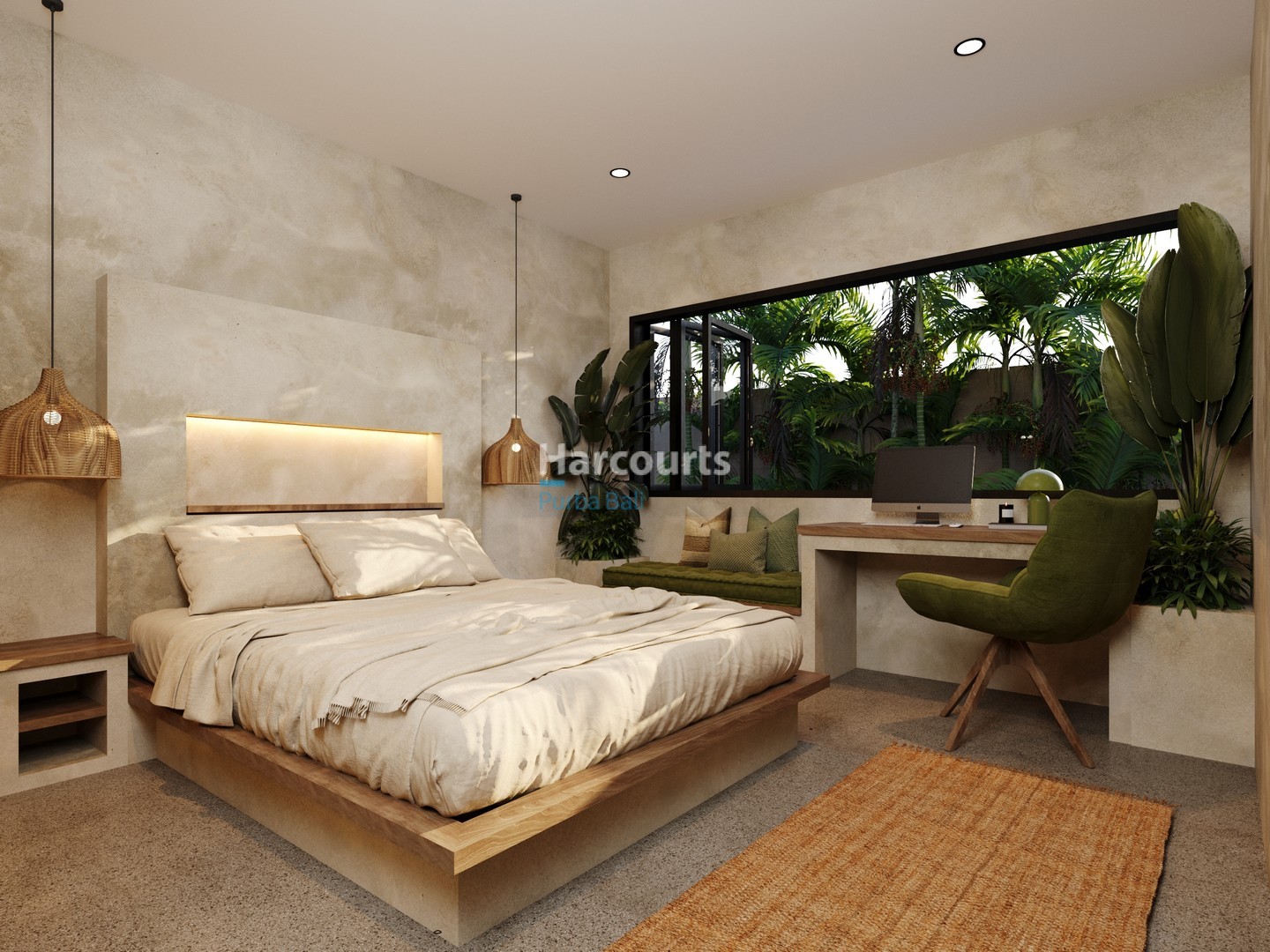
The luxury villas emerging now aren’t just bigger — they’re smarter.
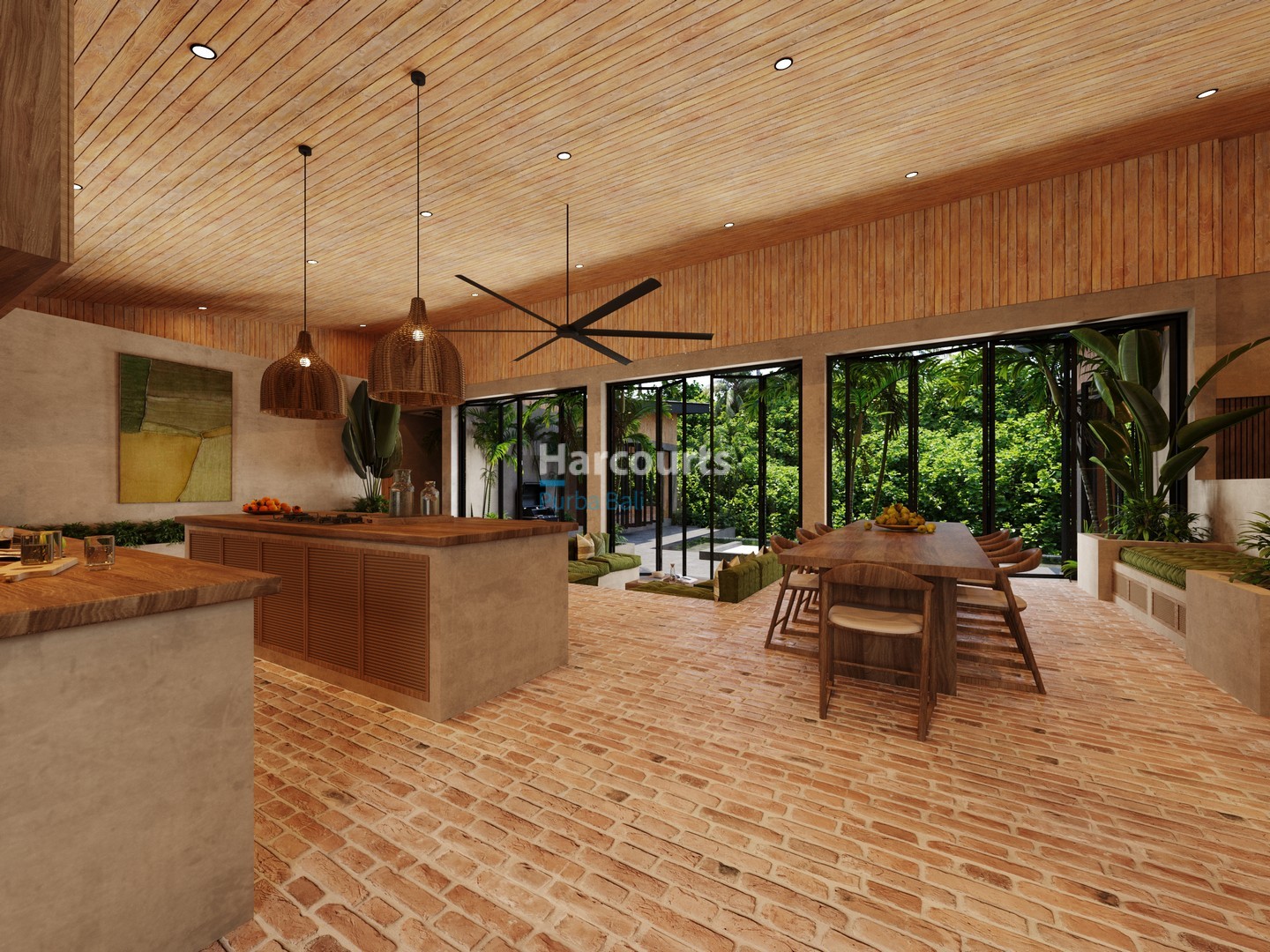
Architects are designing multi-zoned layouts that allow privacy within the home. Office spaces are acoustically separated. Kitchens are fully equipped for real cooking, not just aesthetic staging. Landscaping is functional. Storage is abundant.
Developers are consolidating land rather than slicing it thin. Lower density projects create breathing room. Infrastructure planning improves. Water systems and electrical loads are engineered properly rather than patched together.
In many ways, the return to luxury is also a return to responsibility.
What This Means for Investors
If you’re looking at Bali today, the strategic question isn’t simply “Where is the next hype pocket?”
It’s:
- Where can families comfortably live for years?
- Where does infrastructure support growth?
- Where can I build or buy something that still feels premium five years from now?
The Bukit will continue to rise. As infrastructure strengthens, its cliffside inventory will mature and command increasing prestige.
But the western coastal corridor — the big island spine from the airport up to Tanah Lot — is where long-term family capital is already deeply rooted.
This is where larger plots are being secured. Where design standards are rising. Where established ecosystems support daily life.
A Market Growing Up
Bali isn’t slowing down.
It’s maturing.
The tiny tropical rental had its era — fueled by rapid tourism growth and short-term rental fever. But cycles evolve. The current shift toward larger, family-focused luxury villas signals a market that’s thinking longer term.
Space is winning over squeeze.
Substance is winning over superficial.
And while the Bukit surges with energy and ambition, the big island corridor continues to anchor Bali’s next chapter with stability, infrastructure, and enduring appeal.
In the end, both sides will thrive.
But right now, the smart money is building homes — not just rentals.
Call me on +62 817 973 3031