


Bali continues to reinforce its reputation as Indonesia’s tourism powerhouse, with new regional strategies positioning the island as a central travel hub connecting visitors to destinations across the archipelago. Recent cooperation between Bali, West Nusa Tenggara (NTB), and East Nusa Tenggara (NTT) highlights a shift toward a more integrated tourism ecosystem rather than isolated regional growth.
The vision is simple but powerful: visitors arrive in Bali first, then seamlessly continue exploring other emerging destinations such as Lombok, Labuan Bajo, Sumba, and beyond. This creates a multi-destination travel flow that strengthens Bali’s role not only as a destination, but as Indonesia’s primary tourism gateway.
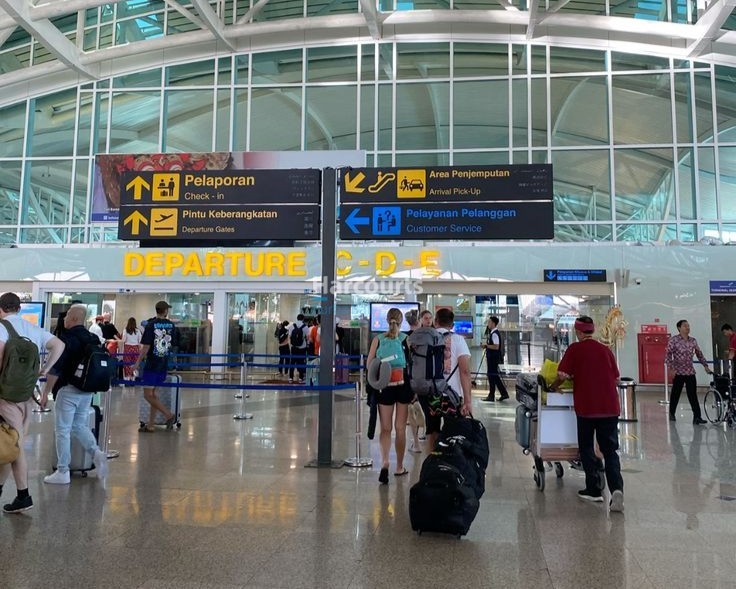
Why Bali Naturally Leads as Indonesia’s Tourism Gateway
Bali’s dominance is backed by hard data. In 2025 alone, the island recorded nearly 6.95 million international arrivals, representing close to a 10% year-on-year increase. This growth reflects stronger global travel demand and improved transport connectivity by air and sea.
Monthly data also shows consistent momentum. For example, July 2025 saw roughly 697,000 international visitors, the highest monthly figure that year, highlighting Bali’s resilience as a global tourism magnet.
This consistent performance reinforces Bali’s strategic importance to Indonesia’s broader tourism economy and confirms its role as a reliable entry point for international travelers.

The Bali–Nusa Tenggara Travel Corridor: A Strategic Shift
The emerging Bali–Nusa Tenggara travel corridor is expected to reshape how tourists experience Indonesia. Instead of visiting a single destination, travelers are increasingly seeking multi-location itineraries combining culture, nature, and adventure.
By positioning Bali as the arrival and distribution hub, Indonesia can accelerate tourism development in surrounding provinces while maintaining Bali’s premium global brand. This integrated approach also improves accessibility to lesser-known destinations, creating a more balanced tourism landscape nationwide.
At the same time, expanded flight connections — including new international routes — continue to strengthen Bali’s role as a global gateway linking Asia-Pacific and beyond.
What This Means for Property and Investment in Bali
From an investment perspective, the evolution of Bali into a national travel hub strengthens long-term demand fundamentals:
- Consistent International Visitor Growth
Steady increases in foreign arrivals support hospitality, villa rentals, and tourism-driven real estate demand. - Hub Economy Effect
Travel hubs typically attract supporting infrastructure, commercial development, and long-stay visitor markets. - Strong Global Brand Positioning
Bali remains Indonesia’s flagship tourism destination and continues to attract new global visitor segments.
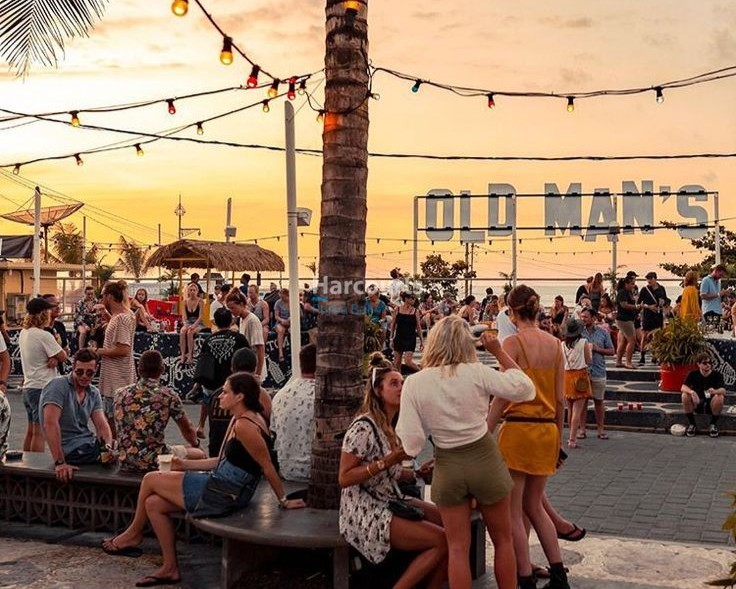
The Bigger Picture: Bali’s Role in Indonesia’s Tourism Future
Indonesia’s long-term tourism strategy is increasingly centered around connectivity, sustainability, and regional collaboration. Bali’s role is evolving from a standalone destination into a gateway that unlocks travel opportunities across the country.
For travelers, this means easier access to multiple Indonesian destinations.
For investors, it signals stronger long-term demand supported by infrastructure growth and government-backed tourism expansion.
As Indonesia continues to promote multi-destination travel experiences, Bali’s position as the country’s primary tourism hub is likely to become even more important in the years ahead.